
Why Is Fall the Best Time to Replace a Roof ?
Fall is often one of the best times to replace a roof in North Texas because temperatures become more favorable for asphalt shingle installation, homeowners can address damage from spring and summer storms, and a new roofing system can be installed before colder winter weather arrives. Mild fall conditions can also make installation safer and more efficient.
At Diamond Exteriors, we understand how demanding North Texas weather can be on a residential roof. From hail and high winds to intense summer heat, McKinney homes need roofing systems designed and installed with local conditions in mind. With more than 15 years of industry experience, our team combines skilled craftsmanship with clear communication and personalized service. We help homeowners understand the condition of their roofs, evaluate their options, and choose solutions that protect their homes for years to come. Whether your roof has suffered storm damage or is simply reaching the end of its useful life, fall can be an ideal opportunity to take care of a replacement before another season of unpredictable Texas weather arrives.
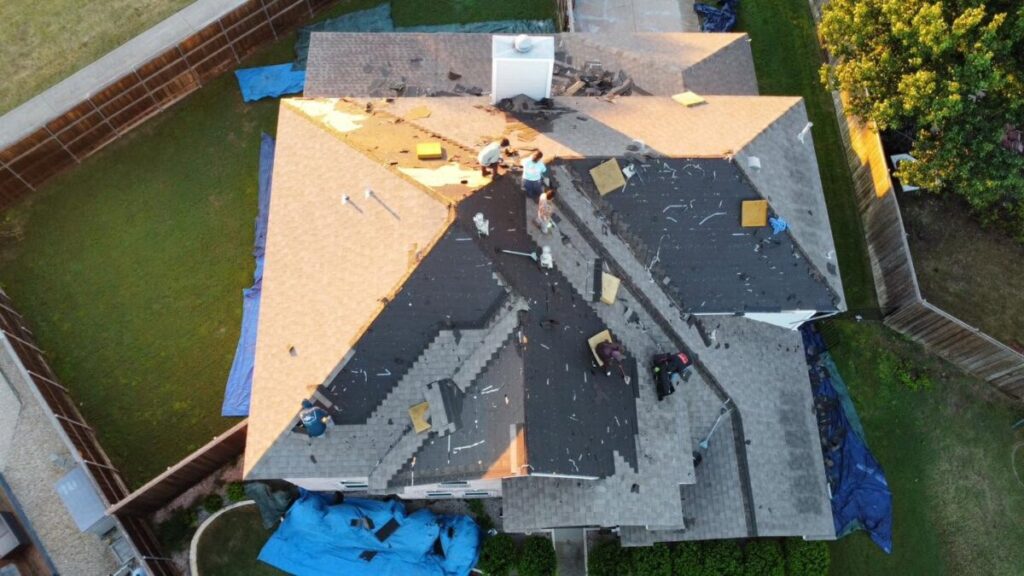
Benefits of Scheduling a Fall Roof Replacement in McKinney
Fall offers a combination of moderate temperatures, an opportunity to repair previous storm damage, and time to prepare your home for winter. For many McKinney homeowners, that makes September through November a practical window for roofing work.
Why Are Fall Temperatures Better for Roof Installation?
Moderate temperatures can make asphalt shingles easier to handle and install correctly.
According to GAF, fiberglass asphalt shingles can technically be installed in a wide range of temperatures when appropriate precautions are taken. However, the manufacturer states that temperatures above 40°F are preferable for easier handling in cold conditions, while temperatures below 90°F are preferable during hot-weather installation. Very hot shingles can become easier to scuff or damage, while very cold shingles can become brittle and may require additional sealing precautions.
That makes McKinney’s fall weather particularly useful. National Weather Service climate normals for McKinney show an average October high of about 74°F and an average November high of about 63°F. September is warmer, with an average high around 84°F.
Those conditions often provide a comfortable working environment while avoiding the temperature extremes that North Texas can experience in summer and winter.
Can You Replace Spring and Summer Storm Damage in the Fall?
Yes. Fall is an excellent time to identify and address roofing damage caused by earlier severe weather.
North Texas regularly experiences thunderstorms capable of producing hail and damaging winds. For example, the National Weather Service has documented past Collin County storms that produced 2-inch hail near McKinney. Severe weather continued to affect North Texas in spring 2026, when storms produced tornadoes, damaging winds, and reports of hail as large as softballs in parts of the region.
Not all roof damage is immediately obvious. A roof may look intact from the ground while still having:
- Cracked, bruised, or missing shingles
- Granule loss from hail or aging
- Damaged flashing around vents and chimneys
- Lifted shingles caused by high winds
- Leaks or moisture intrusion
- Soft or damaged decking beneath the roofing material
Scheduling a professional roof inspection after storm season can help determine whether repairs are enough or a full roof replacement makes more sense.
Why Replace Your Roof Before Winter?
Replacing an aging or damaged roof before winter gives your home a fresh protective barrier before colder temperatures and seasonal precipitation arrive.
The National Weather Service’s McKinney climate data shows average low temperatures declining from about 52°F in October to 42°F in November and roughly 33°F in December. Waiting until winter can therefore introduce colder installation conditions.
GAF notes that shingles can become more brittle in cold weather and may require hand sealing if temperatures are too low for the adhesive to activate promptly.
Taking care of the project during favorable fall weather can help homeowners avoid entering winter with existing leaks, loose shingles, or weakened roofing components.
How Do You Know If Your Roof Should Be Replaced This Fall?
The condition of the roof matters more than the calendar. Fall may be the ideal time for replacement if your roof already shows significant deterioration or storm damage.
Watch for warning signs such as recurring leaks, missing or curling shingles, excessive granules in gutters, visible hail impacts, sagging roof areas, damaged flashing, or frequent repairs.
Roof age is another consideration, but homeowners should not rely on age alone. Texas weather can expose roofs to extreme heat, hail, wind, and rapid temperature changes. A professional inspection provides a clearer picture of whether your roof still has useful service life or whether replacement is the more practical long-term choice.
If you’re unsure, have the roof evaluated before winter rather than waiting for a leak to make the decision for you.
Planning Your McKinney Roof Replacement
A successful fall roof replacement starts with evaluating the entire roofing system, not simply installing new shingles over existing problems.
A professional roofing contractor should inspect the shingles, flashing, ventilation, decking, roof penetrations, and other critical components. If storm damage is present, homeowners should document visible damage and understand the scope of work before moving forward.
McKinney homeowners should also remember that North Texas fall weather is not guaranteed to be mild every day. Storms, rain, and occasional temperature swings can still occur. An experienced local contractor can monitor conditions and schedule installation appropriately rather than treating the season itself as a guarantee of perfect roofing weather.
Diamond Exteriors serves McKinney and the surrounding Collin County area, giving our team firsthand experience with the weather conditions local roofing systems face. Our focus is on helping homeowners choose durable exterior solutions while keeping the process straightforward from inspection through completion.
Frequently Asked Questions About Fall Roof Replacement
What month is best to replace a roof in Texas?
October and November can offer favorable roofing conditions in McKinney because average temperatures are considerably milder than peak summer conditions. The best installation date still depends on the forecast, roofing material, and condition of your existing roof.
Can asphalt shingles be installed in cold weather?
Yes, but cold-weather installation can require additional precautions. GAF notes that shingles may become brittle in cold temperatures and may require hand sealing when conditions are too cold for the adhesive to activate promptly.
Should I replace my roof before winter if it is leaking?
A leaking roof should be inspected promptly rather than waiting for a particular season. If the roof has widespread deterioration or significant damage, replacing it before winter can help prevent additional moisture intrusion and interior damage.
Is fall always the best season for a roof replacement?
Not necessarily. A severely damaged or actively leaking roof should not wait for fall just because the season generally offers favorable conditions. The best time to replace a failing roof is before the damage becomes more extensive.
Ready for a Fall Roof Replacement in McKinney?
Don’t let an aging or storm-damaged roof head into another North Texas winter without knowing its condition. Diamond Exteriors can help you evaluate your roof and determine the right solution for your home.
Ready to protect your McKinney home with a new roof? Contact Diamond Exteriors today to get started.