
Why Is Proper Roof Ventilation Important for Homes in McKinney, TX?
Proper roof ventilation is important for homes in McKinney, TX, because it helps release excess attic heat, manage moisture, and protect roofing materials from premature deterioration. A balanced ventilation system allows fresh air to enter through intake vents and warm, humid air to escape through exhaust vents, supporting roof longevity, indoor comfort, and energy efficiency.
In North Texas, your roof works hard year-round. From scorching summer afternoons to sudden temperature swings and powerful thunderstorms, McKinney homes face weather conditions that can put significant stress on roofing systems. While homeowners often focus on shingles, gutters, and storm damage, attic ventilation is one of the most overlooked components of a healthy roof.
At Diamond Exteriors, we understand that a reliable roof involves more than what you can see from the street. Proper airflow beneath the roof plays an important role in protecting your investment and maintaining a comfortable home. Our team is committed to helping McKinney homeowners understand their roofing systems, identify potential concerns, and make informed decisions about roof maintenance and improvements. Whether you’re planning a roof replacement or evaluating your current roof’s condition, understanding ventilation can help you avoid preventable problems.
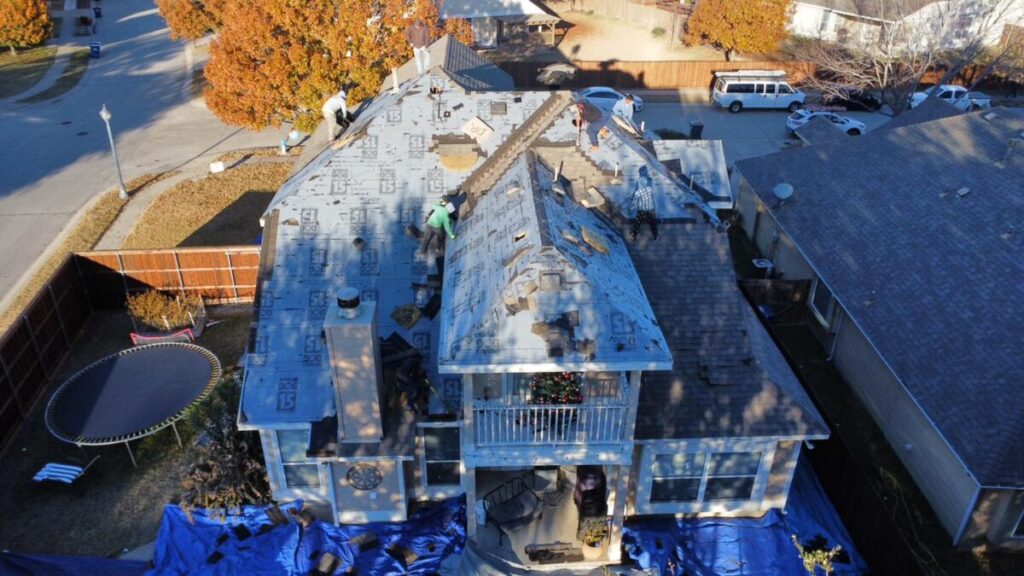
How Proper Attic Ventilation Protects Your Roof and Home
A well-designed attic ventilation system helps regulate temperature and moisture levels beneath your roof. Without adequate airflow, trapped heat and humidity can contribute to roofing deterioration, moisture damage, and uncomfortable indoor conditions.
Here are the key reasons roof ventilation matters for McKinney homeowners.
1. How Does Roof Ventilation Help During Hot Texas Summers?
Proper roof ventilation helps remove accumulated heat from the attic, reducing the amount of heat trapped beneath your roofing materials.
McKinney summers regularly bring temperatures into the 90s, with periods of triple-digit heat. According to the National Weather Service, North Texas experiences prolonged summer heat that can place considerable demands on home cooling systems.
When sunlight heats your roof, attic temperatures can climb well above outdoor air temperatures. Without sufficient ventilation, this heat can accumulate and contribute to warmer living spaces.
A properly designed ventilation system can help by:
- Allowing hot attic air to escape through ridge vents or other exhaust vents.
- Drawing replacement air into the attic through soffit or other intake vents.
- Reducing excessive heat buildup beneath the roof deck.
- Supporting attic insulation and air conditioning performance.
Homeowner tip: If your upstairs rooms consistently feel warmer than the rest of your house, attic ventilation may be worth investigating. However, insulation gaps, air leaks, and HVAC issues can cause similar symptoms.
Ventilation works best alongside adequate insulation and proper air sealing. It should not be considered a substitute for either.
2. Can Poor Roof Ventilation Cause Moisture Damage?
Yes. Inadequate attic ventilation can contribute to moisture accumulation, potentially leading to mold growth, wood deterioration, and damaged insulation.
Although North Texas is known for its summer heat, moisture can become a concern during humid weather and colder months.
Warm, moisture-laden indoor air can enter the attic through gaps around ceiling fixtures, plumbing penetrations, and attic access points. When that air contacts colder surfaces, condensation may form.
Over time, excessive moisture can contribute to:
- Mold or mildew growth on attic surfaces.
- Deterioration of roof decking and structural wood.
- Damp insulation that performs less effectively.
- Rust or corrosion on metal fasteners and roofing components.
- Staining or other visible signs of moisture intrusion.
According to the U.S. Environmental Protection Agency (EPA), controlling moisture is essential for preventing mold growth in buildings.
Homeowner tip: Look for dark staining on roof decking, damp insulation, or persistent musty odors. These symptoms deserve professional attention because roof leaks, plumbing problems, and indoor air leakage can also cause attic moisture issues.
Proper ventilation helps manage moisture, but sealing air leaks and correcting water intrusion are equally important.
3. Does Attic Ventilation Extend the Life of Your Roof?
Proper attic ventilation can help protect roofing materials by limiting excessive heat and moisture exposure, although it cannot prevent all forms of roof deterioration.
Asphalt shingles are designed to withstand outdoor conditions, but the roofing system beneath them also needs protection. Excessive attic heat and persistent moisture can create unfavorable conditions for the roof deck and other components.
The Asphalt Roofing Manufacturers Association (ARMA) identifies proper attic ventilation as an important part of asphalt roofing system design.
A balanced ventilation system can support roof performance by:
- Helping reduce excessive attic heat accumulation.
- Limiting moisture conditions that may damage roof decking.
- Supporting the long-term performance of roofing materials.
- Helping the roof system function as intended by its manufacturer.
In McKinney, where roofs endure intense sunshine, hailstorms, and seasonal temperature changes, every component of the roofing system matters.
Homeowner tip: When replacing your roof, ask your roofing contractor to evaluate ventilation rather than simply reinstalling the existing vents. A new roof provides an excellent opportunity to address airflow problems.
4. What Type of Roof Ventilation Is Best for McKinney Homes?
For many McKinney homes with conventional vented attics, a balanced system combining soffit intake vents with ridge exhaust vents is an effective solution.
However, the best ventilation design depends on your roof’s shape, attic configuration, available intake openings, and existing ventilation components.
The International Residential Code commonly uses a minimum net-free ventilation area of 1 square foot per 150 square feet of vented attic floor area, with a 1:300 exception when specific conditions are met. Local code requirements and the attic’s design determine the applicable approach.
Simply adding more exhaust vents is not always the answer. Too much exhaust capacity without sufficient intake can disrupt airflow, and improperly installed powered fans may draw conditioned air from living spaces into the attic.
Homeowner tip: Have a roofing professional evaluate both intake and exhaust ventilation before making changes. The goal is balanced airflow, not simply the highest possible number of vents.
5. How Can You Tell If Your Roof Has Poor Ventilation?
Common warning signs of inadequate attic ventilation include excessive attic heat, moisture accumulation, and visible deterioration of roofing components.
Some symptoms are easy to overlook because they develop gradually.
Watch for these potential indicators:
- Upstairs rooms that are unusually difficult to cool.
- Persistent musty odors near the attic.
- Condensation or moisture staining on roof decking.
- Blocked soffit vents or insulation covering intake openings.
- Visible deterioration of attic wood or roofing materials.
- An attic ventilation system with limited intake or exhaust openings.
These symptoms do not automatically mean ventilation is the cause. Roofing leaks, insulation problems, and air leakage can produce similar warning signs.
For homeowners in McKinney neighborhoods such as Stonebridge Ranch, Craig Ranch, and Trinity Falls, a professional roof evaluation can help determine whether an existing ventilation system is appropriate for the home’s construction.
Identifying airflow problems early may help prevent more expensive repairs later.
Frequently Asked Questions About Roof Ventilation
Does better attic ventilation lower energy bills?
Proper attic ventilation may help reduce cooling demands by limiting excessive attic heat. However, actual energy savings depend on insulation, air sealing, HVAC efficiency, and roof design. The U.S. Department of Energy emphasizes that ventilation, insulation, and air sealing work together to improve home performance. Building Science Education+1
Can a roof have too much ventilation?
Yes. Excessive or improperly balanced exhaust ventilation can create airflow problems, especially when intake ventilation is insufficient. Proper vent placement and sizing are more important than simply installing additional vents.
Should roof ventilation be checked during a roof replacement?
Yes. A roof replacement is an ideal opportunity to inspect existing vents, calculate ventilation requirements, and correct airflow restrictions. This helps ensure the new roofing system performs as intended.
Do all homes need ridge vents?
No. Ridge vents are effective for many traditional vented attics, but some homes use other ventilation systems or properly designed unvented attic assemblies. The appropriate solution depends on the home’s construction and roofing requirements.
Protect Your McKinney Home with Diamond Exteriors
Your roof does more than shield your home from the weather. It works as a complete system, and proper ventilation is an important part of keeping that system healthy.
At Diamond Exteriors, we’re dedicated to helping McKinney homeowners protect their properties with dependable roofing solutions and attentive customer service. Whether you’re concerned about attic heat, moisture problems, or the condition of your existing roof, our team can help you explore the next steps.
Ready to protect your roof and improve your home’s long-term performance? Contact Diamond Exteriors today to discuss your roofing needs and take the next step toward a healthier, more efficient home.