
Concrete Maintenance 101: Keep Your New Surface Looking Great
A freshly installed concrete surface is one of the most satisfying home improvements you can make. Whether it is a driveway, patio, or walkway, that smooth, clean finish represents a real investment in your property. At Diamond Exteriors, we have spent years helping homeowners get the most out of their concrete surfaces, and one truth we share with every client is this: the way you care for your concrete in the weeks, months, and years after installation makes all the difference. The good news is that proper maintenance is simpler than most people expect, and it pays off enormously over time.
Concrete is one of the most durable materials available for residential exteriors, but it is not indestructible. According to the Portland Cement Association, properly maintained concrete surfaces can last 30 years or more, while neglected surfaces may begin showing serious deterioration in as few as 5 to 10 years. That gap is almost entirely explained by maintenance habits. Understanding a few core principles now can save you thousands of dollars in repairs or replacement costs down the road.
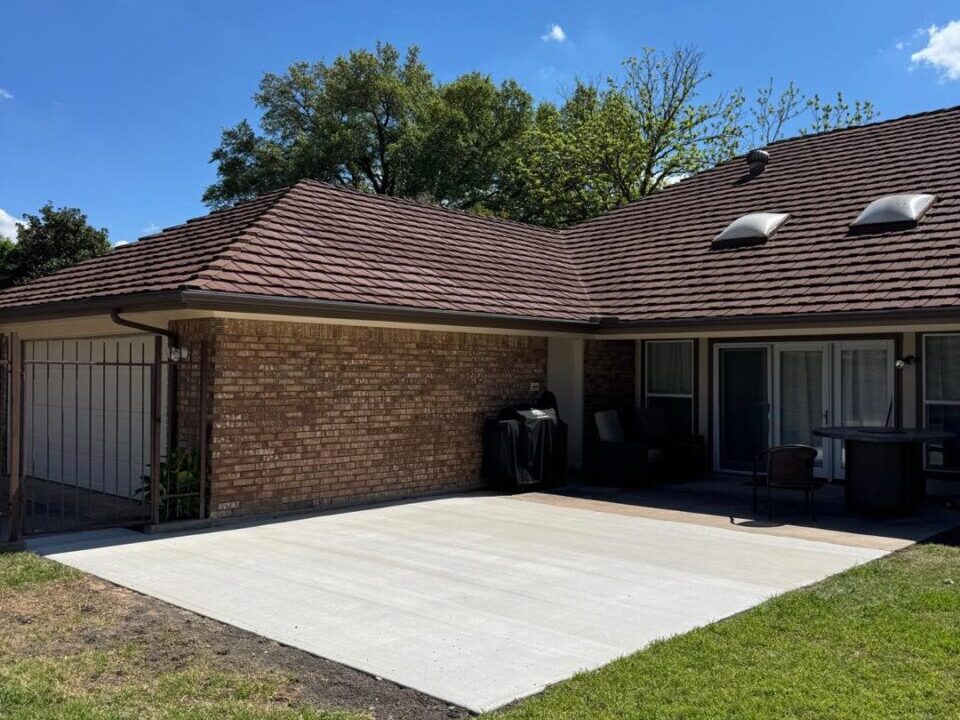
The First 30 Days Matter More Than You Think
The curing period immediately following installation is one of the most critical windows in your concrete’s life. During this time, the material is still hardening and developing its full structural strength. Most concrete reaches about 70% of its design strength within the first week, but full curing typically takes around 28 days. During this period, avoid parking heavy vehicles on a new driveway, placing concentrated loads near edges, and allowing standing water to pool on the surface. Keeping foot traffic light and steering clear of sharp or heavy objects will give your concrete the best possible foundation for the decades ahead.
Sealing: Your Concrete’s Best Defense
One of the most impactful things you can do for a new concrete surface is apply a quality sealant, and then maintain that sealant on a regular schedule. Concrete is naturally porous, which means water, oil, road salt, and other contaminants can penetrate the surface and cause damage from the inside out. A penetrating or film-forming sealer creates a protective barrier that dramatically slows this process.
For most residential surfaces, sealing every two to three years is a reasonable target, though high-traffic areas or surfaces exposed to harsh weather may benefit from more frequent attention. Before resealing, the surface should be thoroughly cleaned and allowed to dry completely. A pressure washer set to a moderate setting works well for this purpose, just be sure not to use excessive pressure, which can actually erode the surface over time.
Cleaning the Right Way
Routine cleaning is straightforward, but a few mistakes are surprisingly common. Harsh chemical cleaners, particularly those containing ammonium nitrate or ammonium sulfate, can chemically attack concrete and cause surface scaling. Stick to pH-neutral cleaners designed specifically for concrete, or simply use mild dish soap and water for general maintenance.
Oil stains are the most frequent concern for driveways, and the sooner you address them, the better. A fresh oil spill can often be lifted with an absorbent material like cat litter or baking soda applied immediately, followed by a degreaser formulated for concrete. Old, set-in stains are more stubborn, but commercial concrete degreasers and some light mechanical scrubbing can still achieve impressive results. Avoid wire brushes, which can scratch and damage the surface finish.
Managing Cracks Before They Grow
Even well-maintained concrete can develop hairline cracks over time, particularly in climates with significant temperature swings. Water enters these small openings, freezes and expands in cold weather, and can turn a minor crack into a major structural issue. Catching and addressing small cracks early is far more cost-effective than waiting.
For cracks narrower than a quarter inch, a flexible polyurethane or epoxy concrete caulk is typically sufficient. Clean the crack thoroughly, remove any loose debris, and apply the filler according to the manufacturer’s instructions. For wider cracks or any cracking that follows a pattern suggesting underlying movement, it is worth having a professional assessment. Some cracking is cosmetic, but other patterns can signal drainage issues, soil settlement, or other concerns that benefit from expert evaluation.
Protecting Against the Elements
Sun, rain, and freeze-thaw cycles are the most consistent sources of concrete wear. In regions that experience cold winters, deicing salts are particularly damaging and should be avoided on concrete surfaces whenever possible. Sand provides traction without the chemical damage and is a far safer choice. If you do use a deicing product, look for calcium magnesium acetate, which is significantly less corrosive than traditional rock salt.
On the sun side, UV exposure can gradually break down sealers and lighten surface coloring over time. UV-resistant sealers are widely available and worth the modest additional cost for surfaces that receive direct sunlight for most of the day.
A Little Care Goes a Long Way
Concrete maintenance is not complicated, but it is consistent. The homeowners who get the most out of their surfaces are simply the ones who treat their concrete as an ongoing investment rather than a one-time purchase. A regular cleaning schedule, timely sealing, and prompt attention to small cracks and stains will keep your surface looking sharp and performing well for generations. If you ever have questions about the right products or techniques for your specific surface, the team at Diamond Exteriors is always happy to help you make the most confident, informed decisions for your home. Reach out today to get your new concrete installed!