
How Long Does a Wood Fence Last in Texas, and When Should You Replace It?
A wood fence in McKinney, TX, typically lasts 10 to 20 years, depending on the wood species, installation quality, maintenance, and exposure to North Texas weather. Cedar fences can last 15 to 20 years or longer with proper care, while untreated pine may deteriorate sooner. Homeowners should consider replacement when widespread rot, leaning posts, or repeated repairs compromise the fence’s stability.
For homeowners in McKinney and surrounding North Texas communities, a wood fence provides privacy, security, and curb appeal. However, intense summer heat, sudden storms, and shifting soil can gradually weaken even a well-built fence.
At Diamond Exteriors, we understand the challenges local homeowners face when maintaining their outdoor spaces. Our team focuses on quality workmanship, durable materials, and personalized customer care to help homeowners make informed decisions about their fencing needs. Whether you’re dealing with a few damaged boards or an aging fence that has seen better days, knowing when to repair versus replace can save time, money, and frustration. Understanding the typical lifespan of a wood fence is the first step toward protecting your investment.
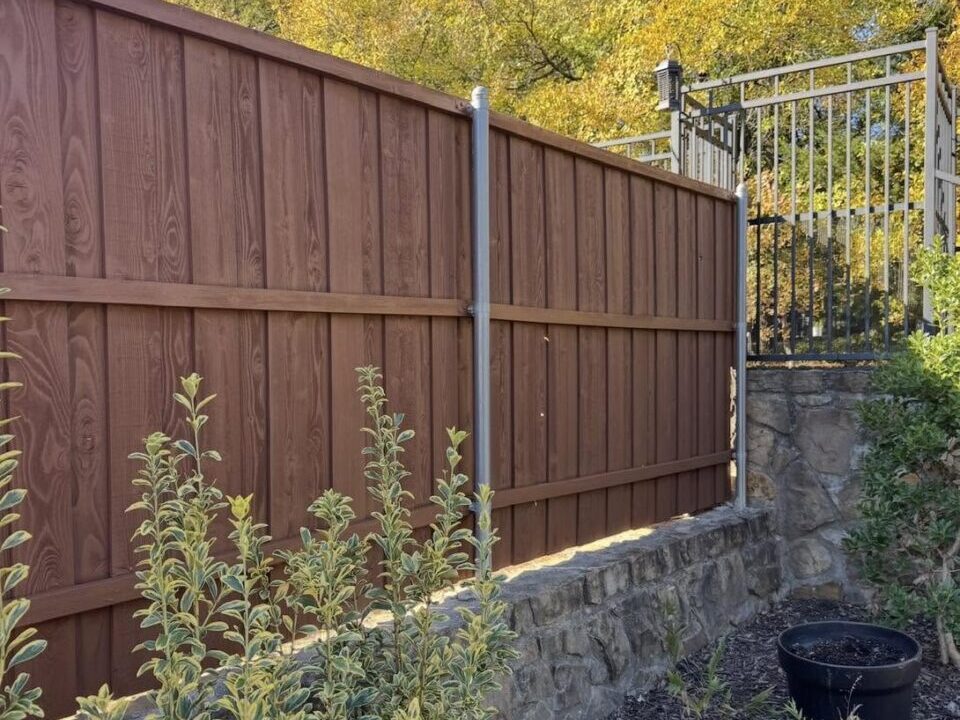
Wood Fence Lifespan in North Texas: What Homeowners Should Know
Wood fence longevity depends on several factors, including material selection, weather exposure, soil conditions, and regular maintenance. Understanding these factors helps McKinney homeowners recognize when their fence needs attention.
1. How Long Do Different Types of Wood Fences Last in Texas?
Cedar is generally one of the most durable wood fencing options for North Texas homes, thanks to its natural resistance to decay and insects.
The type of wood used to build your fence plays a significant role in how long it will last. Cedar fences typically last 15 to 20 years or longer with proper maintenance, making them a popular choice for McKinney homeowners. Pressure-treated pine fences generally last 10 to 20 years, while untreated pine may last only 5 to 10 years, depending on weather exposure and maintenance. Redwood fences can last 15 to 25 years or longer, although they are less commonly used in North Texas.
These lifespan estimates are general guidelines rather than guarantees. Actual durability depends on wood quality, installation methods, drainage, and ongoing care.
According to the USDA Forest Products Laboratory’s Wood Handbook, wood durability depends heavily on natural decay resistance, preservative treatments, and moisture exposure.
Choosing the right material during installation can significantly influence how long your fence remains functional and attractive.
2. How Does North Texas Weather Affect Wood Fence Lifespan?
Extreme temperatures, moisture fluctuations, and severe storms are major contributors to wood fence deterioration in McKinney.
North Texas experiences environmental conditions that can accelerate wear on outdoor wooden structures.
- Intense summer heat: Prolonged sunlight can dry wood, contributing to shrinking, cracking, and warping.
- Heavy rain and humidity: Repeated moisture exposure can encourage fungal decay, especially where wood remains wet.
- Severe thunderstorms: Strong winds and hail can damage fence panels, loosen fasteners, and weaken posts.
- Expansive clay soil: Soil movement during wet and dry periods can affect fence post stability.
According to the National Weather Service, North Texas experiences severe thunderstorms capable of producing damaging winds and large hail.
McKinney homeowners may notice that fences with significant afternoon sun exposure deteriorate differently from shaded sections. Likewise, areas with poor drainage may experience faster deterioration around fence posts.
Proper installation, drainage, and routine maintenance help reduce these risks.
3. What Are the Signs That a Wood Fence Needs Replacing?
Widespread rot, unstable posts, severe warping, and recurring structural problems are strong indicators that a wood fence may need replacement.
Some damage can be repaired without replacing the entire fence. However, homeowners should watch for these warning signs:
- Rotting wood: Soft, crumbling, or severely discolored sections may indicate moisture-related decay.
- Leaning fence posts: Posts that shift or lean can compromise the stability of entire fence sections.
- Cracked or broken boards: Multiple damaged boards may indicate widespread deterioration.
- Loose or missing fasteners: Repeatedly failing connections can signal aging materials or structural movement.
- Frequent repairs: When new problems appear shortly after previous repairs, replacement may become more economical.
A useful test is to gently press a screwdriver against a suspicious wooden area. If the wood feels unusually soft or crumbles easily, it may be deteriorating.
Pay particular attention to the bottoms of posts and areas where wood remains exposed to moisture.
If several sections show similar problems, a professional fence evaluation can help determine whether repairs are sufficient or a complete replacement is the better long-term solution.
4. Is It Better to Repair or Replace an Old Wood Fence?
Repairing a wood fence is generally worthwhile when damage is isolated and the remaining structure is sound. Replacement becomes more practical when deterioration affects multiple sections or compromises structural stability.
For example, replacing a few damaged pickets or repairing an isolated post may extend the life of an otherwise healthy fence.
However, if your fence is approaching 15 to 20 years old and requires frequent repairs, investing in a new fence may provide better long-term value.
Consider these factors before deciding:
- Age: Older fences may have hidden deterioration.
- Extent of damage: Widespread problems often make replacement more practical.
- Repair costs: Compare the total repair estimate with the cost of replacement.
- Safety and privacy: A failing fence may no longer provide adequate security.
- Future maintenance: New materials may reduce ongoing repair needs.
In established McKinney neighborhoods, replacing an aging fence can also refresh a property’s appearance and improve outdoor privacy.
Diamond Exteriors can help homeowners evaluate their fencing needs and explore practical solutions that balance durability, appearance, and budget.
5. How Can You Make a Wood Fence Last Longer in Texas?
Regular cleaning, proper staining or sealing, moisture control, and prompt repairs can help extend the lifespan of a wood fence.
The following maintenance practices are especially useful for McKinney homeowners:
- Inspect your fence annually: Look for loose boards, damaged posts, rot, and insect activity.
- Stain or seal as needed: Many fences benefit from maintenance every 2 to 3 years, although the appropriate schedule depends on the product, sun exposure, and wood condition.
- Improve drainage: Prevent standing water from collecting around fence posts.
- Trim nearby vegetation: Keep branches and dense plants from trapping moisture against wooden surfaces.
- Address damage promptly: Replace broken boards and repair loose connections before problems spread.
The USDA Forest Products Laboratory identifies moisture management as a key factor in preventing wood deterioration.
In North Texas, inspecting your fence after severe storms is particularly important. Catching damage early can prevent small issues from becoming expensive structural problems.
Frequently Asked Questions About Wood Fence Replacement in McKinney, TX
How often should you replace a wooden fence in Texas?
Most wood fences in Texas need replacement after approximately 10 to 20 years. Properly maintained cedar fences may last longer, while fences exposed to excessive moisture or structural damage may require earlier replacement.
Can a 20-year-old wood fence still be repaired?
Yes. A 20-year-old fence can be repaired if its posts and main structural components remain sound. However, widespread rot, leaning sections, or repeated failures often make replacement more cost-effective.
What is the best wood for a privacy fence in North Texas?
Cedar is a popular choice for North Texas privacy fences because of its natural resistance to decay and insects. Pressure-treated pine is another option for homeowners seeking a potentially lower upfront cost.
Does staining a wood fence make it last longer?
Yes. Properly applied exterior wood stain can help protect against moisture absorption and ultraviolet exposure. Regular maintenance can reduce cracking, warping, and premature deterioration, although staining cannot repair existing structural damage.
Ready to Replace Your Wood Fence in McKinney, TX? Contact Diamond Exteriors!
A well-maintained wood fence can provide years of privacy, security, and curb appeal. But when aging materials, storm damage, or unstable posts begin affecting its performance, replacing your fence may be the smartest investment.
At Diamond Exteriors, we’re committed to helping McKinney homeowners find durable, attractive fencing solutions that stand up to North Texas conditions.
Whether you’re considering a new privacy fence or wondering if your existing fence has reached the end of its lifespan, our team is here to help.
Ready to upgrade your fence? Contact Diamond Exteriors today to discuss your wood fence replacement project!