
Roof Repair vs. Replacement: How to Make the Smart Choice
Your roof takes a beating every single day, and when something goes wrong, the question that follows is almost always the same: do I fix what’s there, or do I start fresh? It is one of the most consequential home decisions a homeowner can face, and the wrong choice can cost thousands of dollars either in unnecessary spending or in repairs that just delay the inevitable. At Diamond Exteriors, we have helped countless homeowners navigate exactly this crossroads, and our goal is always the same: give you the honest information you need to make the decision that is right for your home and your budget.
According to the National Roofing Contractors Association, more than 80% of roofing jobs in the United States involve some form of replacement rather than repair, yet that statistic does not mean replacement is always the right call for your situation. Every roof is different, every home is different, and every homeowner’s financial reality is different. What matters is understanding the factors that actually drive this decision so you can feel confident in whichever direction you choose.
Understanding the Core Difference
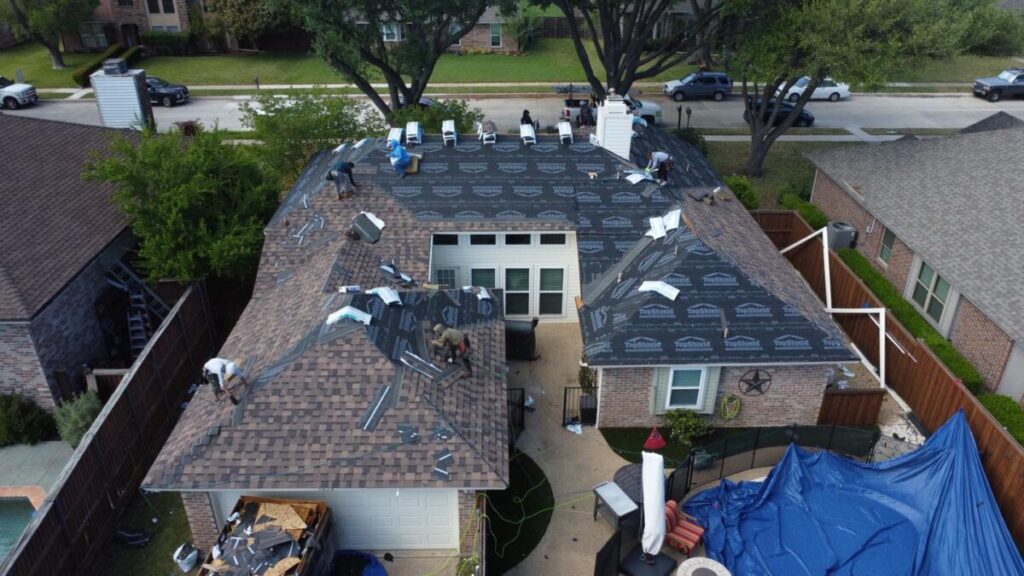
Roof repair targets a specific problem, whether that is a handful of missing shingles, a flashing issue around a chimney, or a small section that sustained storm damage. Replacement, on the other hand, means stripping the entire roof down and starting over with new materials. Both are legitimate solutions. The key is knowing which one your situation actually calls for.
When Roof Repair Is the Right Move
Not every roofing problem demands a full overhaul. Repair is typically the smarter financial choice when the damage is localized, when your roof is relatively young, and when the underlying structure is sound.
The Roof Is Less Than 15 Years Old
Asphalt shingle roofs, the most common type in the United States, are designed to last between 20 and 30 years under normal conditions. If your roof is on the younger end of that range and the problem is confined to one area, repair can absolutely extend its useful life without the cost and disruption of a full replacement. A targeted repair in this scenario often makes excellent financial sense.
The Damage Covers Less Than 30% of the Roof
A general industry benchmark is that if less than about a third of your roof is affected, repair is worth serious consideration. Think of a situation where a single storm blew off shingles over the garage but left the rest of the roof completely intact. That is a repair scenario, not a replacement one, as long as the surrounding materials are in reasonable condition.
Your Budget Needs Flexibility Right Now
There is no shame in acknowledging that a full replacement is not financially feasible at this moment. A quality repair can buy you time to plan and save for a replacement down the road. The important thing is being clear-eyed about the fact that it is a bridge solution, not a permanent fix, when the underlying roof is aging.
When Roof Replacement Is the Smarter Investment
Sometimes paying more upfront is the move that actually saves you money. Replacement tends to be the wiser path in several clear circumstances.
If your roof is 20 years or older, ongoing repairs start to resemble patching a tire that has worn through to the wire. You may fix one spot this spring and find another problem by fall. At a certain point, the cumulative cost of repeated repairs approaches or exceeds what a replacement would have cost, without the peace of mind that comes with a new roof and a fresh warranty.
There Are Multiple Problem Areas
When damage is widespread rather than isolated, repair stops being efficient. If an inspector finds failing shingles in one area, deteriorating flashing in another, and granule loss across a broad section, those are signals that the roof as a whole is declining. Addressing each issue individually becomes expensive and logistically complicated.
There Is Evidence of Structural or Water Damage
Sagging, soft spots on the decking, or signs of long-term moisture intrusion in your attic are serious indicators that the problem has gone beyond the surface materials. In these cases, a full replacement allows the underlying structure to be properly inspected, repaired, and protected before new materials are installed. Layering a repair on top of hidden structural damage is a short-term solution with long-term consequences.
The Factor That Ties It All Together
Both repair and replacement can be the right answer. What determines which one applies to you is a combination of your roof’s age, the extent of the damage, the condition of the structure beneath the surface, and your financial situation. The most important step you can take is getting a thorough inspection from a roofing professional who will give you an honest assessment rather than simply defaulting to the more expensive option.
A good contractor will show you what they find, explain the implications, and walk you through both paths so you can make a genuinely informed choice. That transparency is not just good service, it is the foundation of a trustworthy relationship between a homeowner and a contractor.
Whether your situation calls for a targeted repair or a full replacement, the Diamond Exteriors team is ready to give you an honest assessment and quality workmanship you can count on, so reach out today to schedule your inspection and take the first step toward a roof you can trust.