
Is It Time for New Siding? Signs You Shouldn’t Ignore
Your home’s exterior takes a beating every single year — scorching summers, freezing winters, wind, rain, and everything in between. Most homeowners don’t think much about their siding until something goes visibly wrong, but by that point, the damage underneath can already be significant. At Diamond Exteriors, we’ve helped homeowners navigate exactly this situation, and we’ve learned that catching the warning signs early makes all the difference between a straightforward siding replacement and a much more expensive structural repair.
The tricky part is that siding doesn’t always fail dramatically. It rarely just falls off the house one day. Instead, it gives you subtle hints over time — hints that are easy to miss if you don’t know what you’re looking for. That’s exactly why we put this guide together.
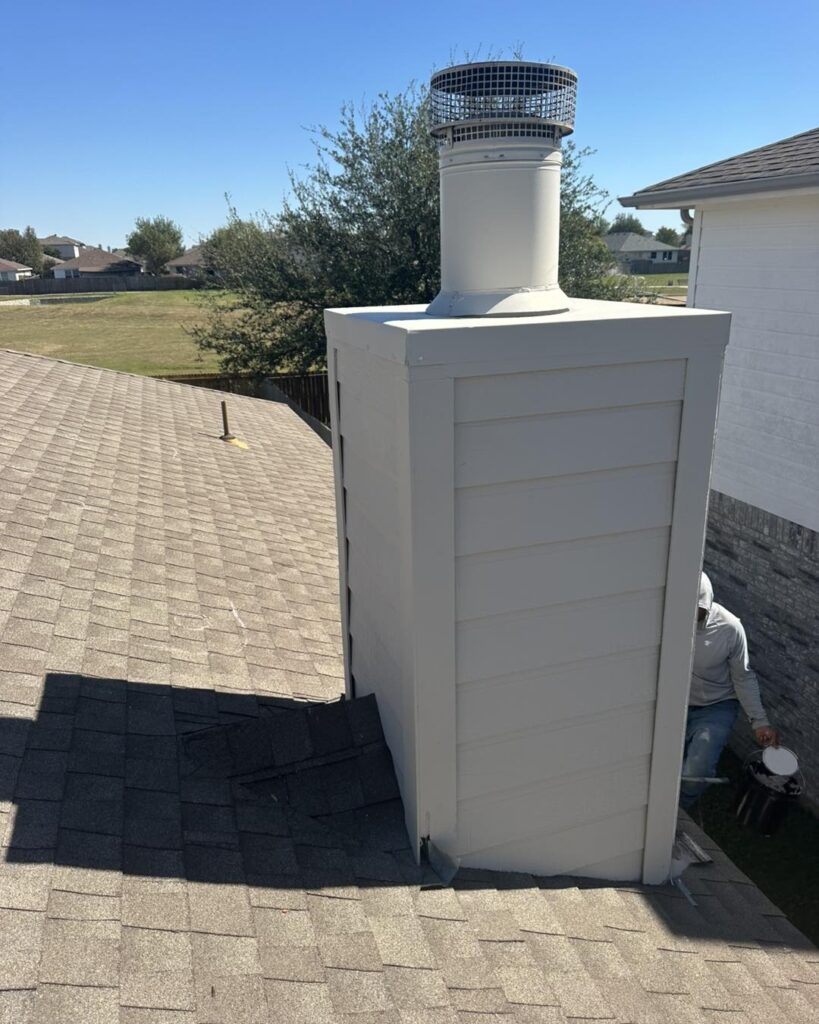
Your Siding Is Telling You Something — Are You Listening?
When your siding starts to warp or bubble, it’s almost never a cosmetic issue. Those deformations typically mean moisture has found its way behind the panels and is now working against the material from the inside out. According to the National Association of Home Builders, water intrusion is one of the leading causes of structural damage in American homes, and compromised siding is frequently the entry point. If you’re running your hand along your exterior wall and feeling waves or soft spots where there shouldn’t be any, that’s a serious signal worth acting on.
Fading and Peeling Paint That Keeps Coming Back
If you’ve repainted your home’s exterior more than once in the past few years and the paint still looks tired and patchy, the siding itself may be past the point of holding a finish. Quality siding should hold paint for at least eight to ten years. Persistent peeling often means the material underneath has deteriorated to the point where no amount of fresh paint will fix the underlying problem.
Rising Energy Bills Without an Obvious Cause
Here’s one that surprises a lot of homeowners — your siding plays a significant role in your home’s insulation. When it begins to fail, it creates gaps and weak points that let conditioned air escape and outside air seep in. If your heating and cooling costs have been creeping up year over year and you can’t trace the cause to your HVAC system or windows, your siding may be quietly working against your energy efficiency.
The Signs That Demand Immediate Attention: Visible Rot or Soft Spots
This one moves from “monitor it” territory straight into “call someone now” territory. Rot spreads, and it spreads faster than most people expect. What looks like a small soft patch on one panel can mean significant rot behind the wall if it’s been there for a while. A professional inspection at the first sign of rot can save you from a repair bill that’s several times larger than a standard replacement would have been.
Mold, Mildew, or Moisture Staining
Some surface mildew can be cleaned. But when you’re seeing persistent dark staining, especially in patterns that follow the seams between panels, that’s a sign of ongoing moisture infiltration rather than surface-level buildup. Mold inside your wall cavity is a health concern on top of a structural one.
Your Siding Is Simply Old
Most standard vinyl siding carries a lifespan of 20 to 40 years depending on quality and climate exposure. Fiber cement typically runs 25 to 50 years. If your siding is approaching or past those ranges, even if it looks okay from the curb, a professional inspection is well worth scheduling. Aging siding can look fine right up until it doesn’t.
When in Doubt, Get It Checked
You don’t need to have all the answers before reaching out to a professional. If something about your home’s exterior looks or feels off — or if you simply can’t remember the last time anyone looked at it — that’s reason enough to schedule an inspection. The team at Diamond Exteriors offers honest, no-pressure assessments so you can make an informed decision with confidence. Contact us today because protecting your home starts with knowing what you’re working with.